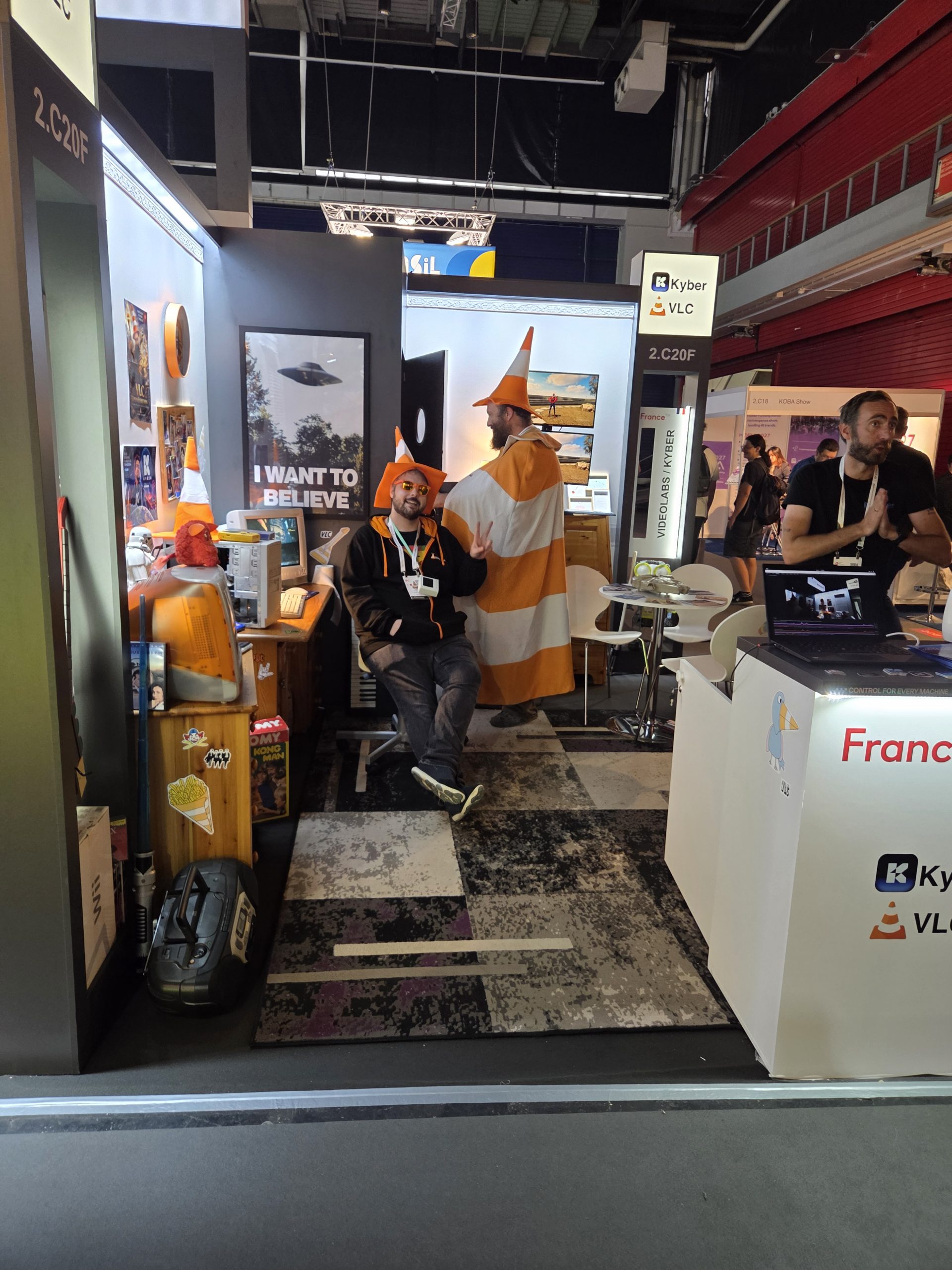
Walking into the RAI Amsterdam for IBC 2026, the shift across the international broadcast and pay television landscape was immediately palpable. For years, industry gatherings traded in speculative promises, abstract algorithms, and flashy user interface concepts that rarely survived contact with complex broadcast infrastructure. This year in Amsterdam, that era closed for good. Television operators, video service providers, and tier-1 telcos arrived with a clear operational mandate: deploy scalable architectures that directly lower operational expenses, curb subscriber churn, and protect high-margin service monetization in an increasingly fragmented streaming economy.
Minerva Networks stood at the center of this dialogue. Throughout five intensive days across 112,000 square meters of exhibition space, Worldwide Director of Sales Engineering
Gerry Ornito engaged directly with international platform architects and senior television executives. The discussions were neither conceptual nor speculative. Instead, they centered on how operators can operationalize agentic automation, unify fragmented content catalogs, and regain their rightful place as the primary entertainment hub in the consumer living room.
Below is an engineering and strategic breakdown of what took place at IBC 2026, the macro shifts shaping television delivery, and why intelligent orchestration has emerged as the defining competitive advantage for modern video operators.
1. IBC 2026 by the Numbers: The Transition to High-Value Pragmatism
The scale of IBC 2026 underscored an industry undergoing active transformation. Rather than chasing sheer volume, the event demonstrated a marked evolution toward strategic decision-making and operational execution.
Key Event Metrics
-
41,225 Registered Professionals: Senior engineers, broadcast architects, and C-level decision-makers converged from over 170 countries.
-
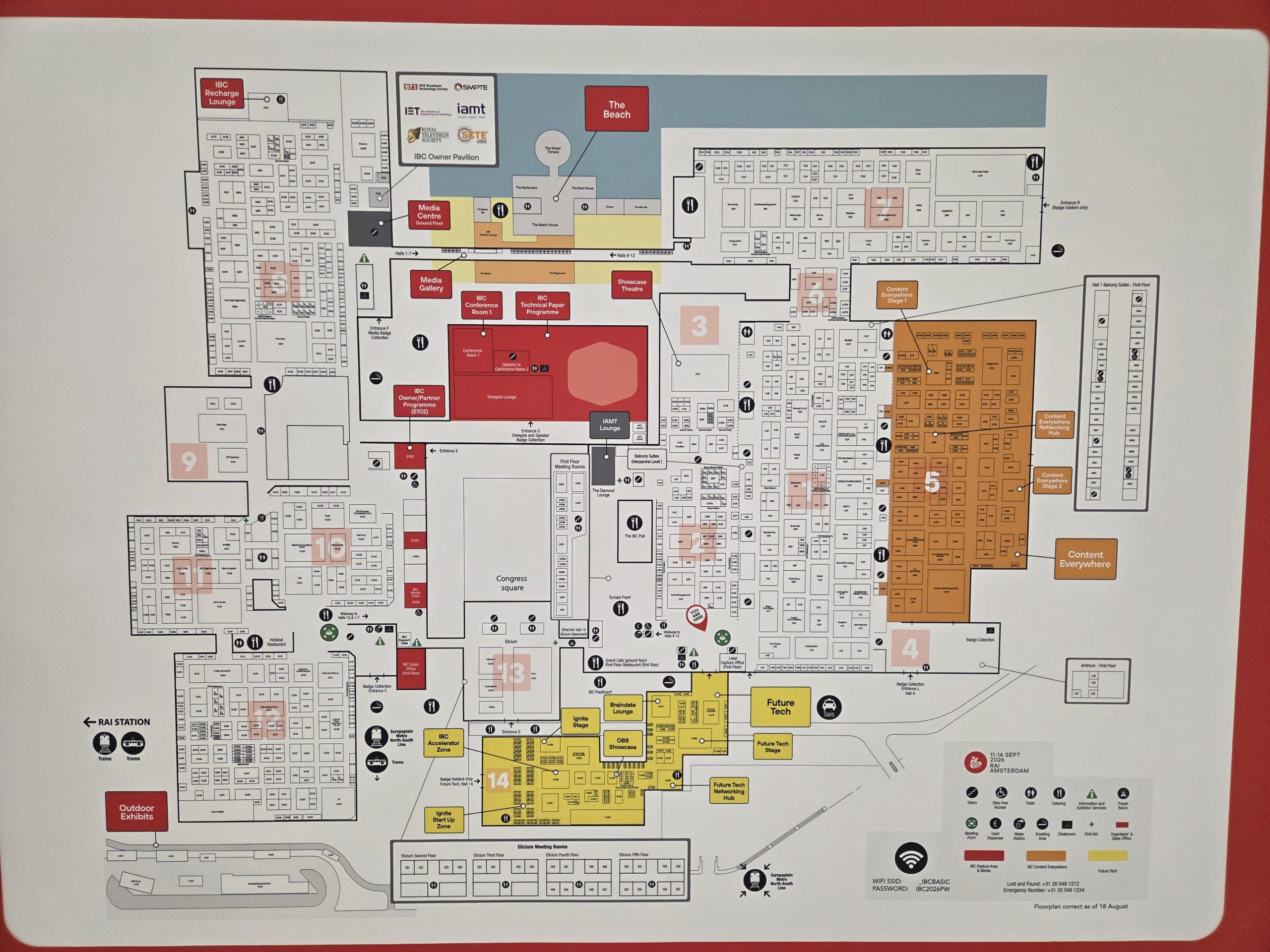
1,300+ Exhibitors: The exhibition spanned all 14 halls at the RAI Amsterdam, reflecting full-spectrum representation across content creation, delivery networks, and consumer premise software.
-
256 First-Time Exhibitors: Debut exhibitors surged by 36 percent year over year, dominated by AI-native software entities focusing on video intelligence, automated metadata, and workflow efficiency.
-
112,000+ Square Meters: A sprawling footprint where conversational technology met production-grade streaming infrastructure.
While overall hall foot traffic was slightly lower compared to previous cycles, the quality of operational leads and executive engagement reached an all-time peak. The industry has stepped away from speculative tech hype. Decision-makers arrived with precise requirements: how to modernize aging legacy set-top box deployments, how to integrate automated metadata enrichment, and how to execute concrete return-on-investment strategies in high-concurrency environments.
2. Three Macro Architectural Shifts Reshaping Video Delivery
The technical presentations and back-room architecture sessions at IBC 2026 revealed three fundamental trends that are actively redefining television operations worldwide.
Trend A: The Evolution from Generative Experimentation to Agentic Automation
In previous industry gatherings, artificial intelligence was largely showcased as an isolated creative toy, generating promotional thumbnails, static marketing copy, or synthetic imagery. At IBC 2026, the core industry narrative shifted squarely toward agentic intelligence.
Agentic systems differ fundamentally from basic generative models. Rather than producing disconnected media assets, agentic systems act as autonomous, goal-driven orchestrators capable of executing end-to-end workflows. In modern video operations, agentic intelligence dynamically reconciles inconsistent content catalogs, normalizes incoming metadata payloads across incompatible feeds, monitors live streaming feeds for context markers, and reconfigures navigation pathways in real time based on active viewer behavior. For television operators, this transition turns artificial intelligence from an unpredictable cost center into an indispensable operational engine.
Trend B: Modernized User Experience and Super Aggregation
The modern viewer is navigating a deeply fractured ecosystem. Premium live sports, subscription video on demand, ad-supported video, and free ad-supported streaming television services are scattered across dozens of proprietary applications. This dynamic produces acute content paralysis, where subscribers spend more time cycling through application interfaces than actually watching programming.
Operators are countering this fatigue by prioritizing super-aggregation frameworks across Android TV, Apple tvOS, and major Smart TV platforms like Samsung Tizen and LG webOS. The strategic imperative is straightforward: operators must stop allowing external third-party streaming apps to capture the subscriber relationship. By harmonizing catalog search, entitlements, and linear schedules into a centralized interface, the operator retains the primary billing relationship and maximizes viewer time on platform.
Trend C: Accelerated Pure OTT Delivery and Cloud-Native Migration
Broadcasters and telecom providers are aggressively phasing out dedicated, capital-intensive IPTV hardware in favor of unified, cloud-native over-the-top streaming pipelines. By replacing rigid on-premises multiplexers and proprietary set-top boxes with containerized, microservice-driven software stacks, engineering teams achieve elastic scale.
Modern operators are establishing low-latency HTTP live streaming and dynamic packaging protocols that match traditional linear broadcast latencies while cutting the total cost of ownership across headends and regional access nodes.
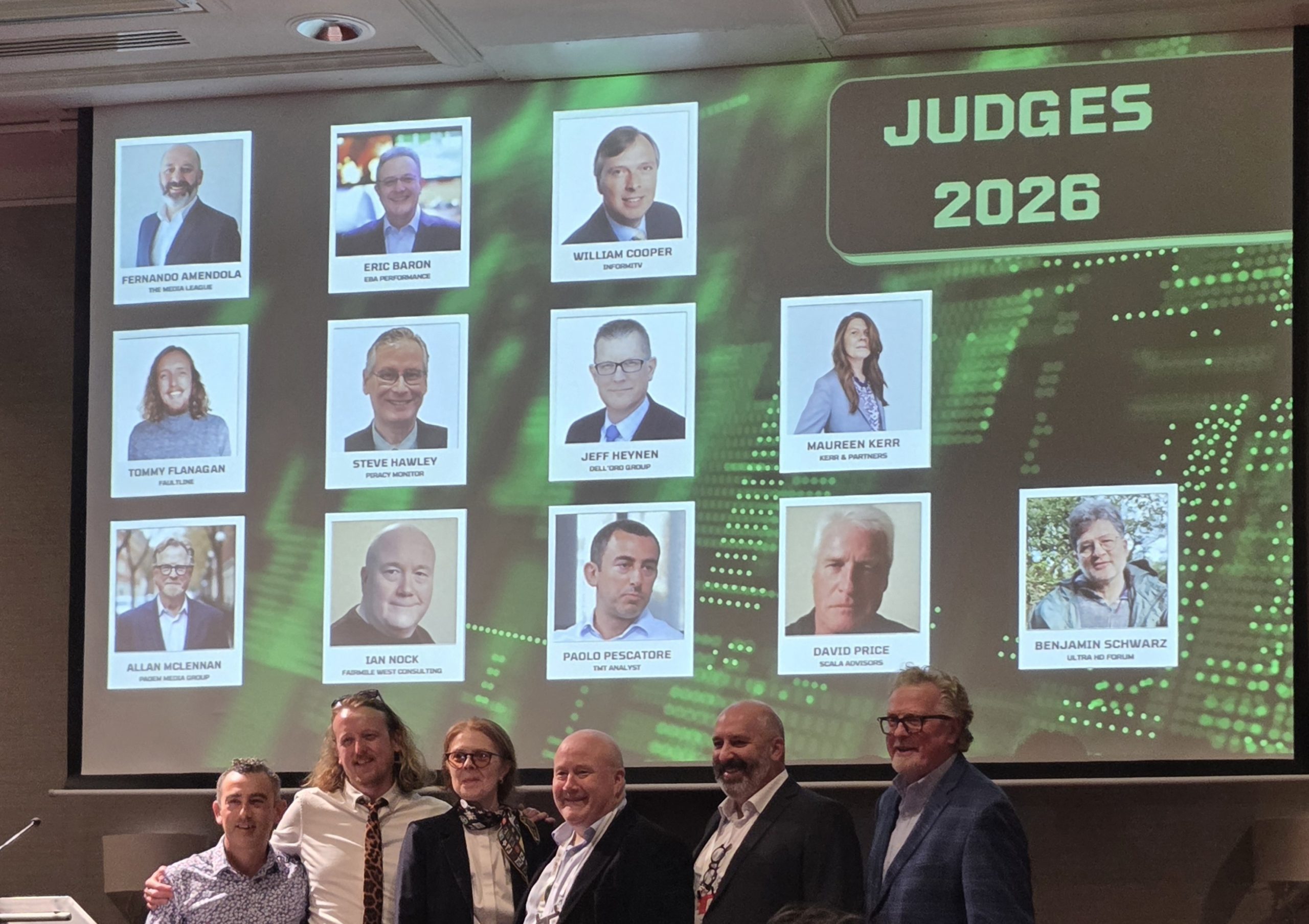
3. Industry Recognition: Minerva Shortlisted at the CSI Awards 2026
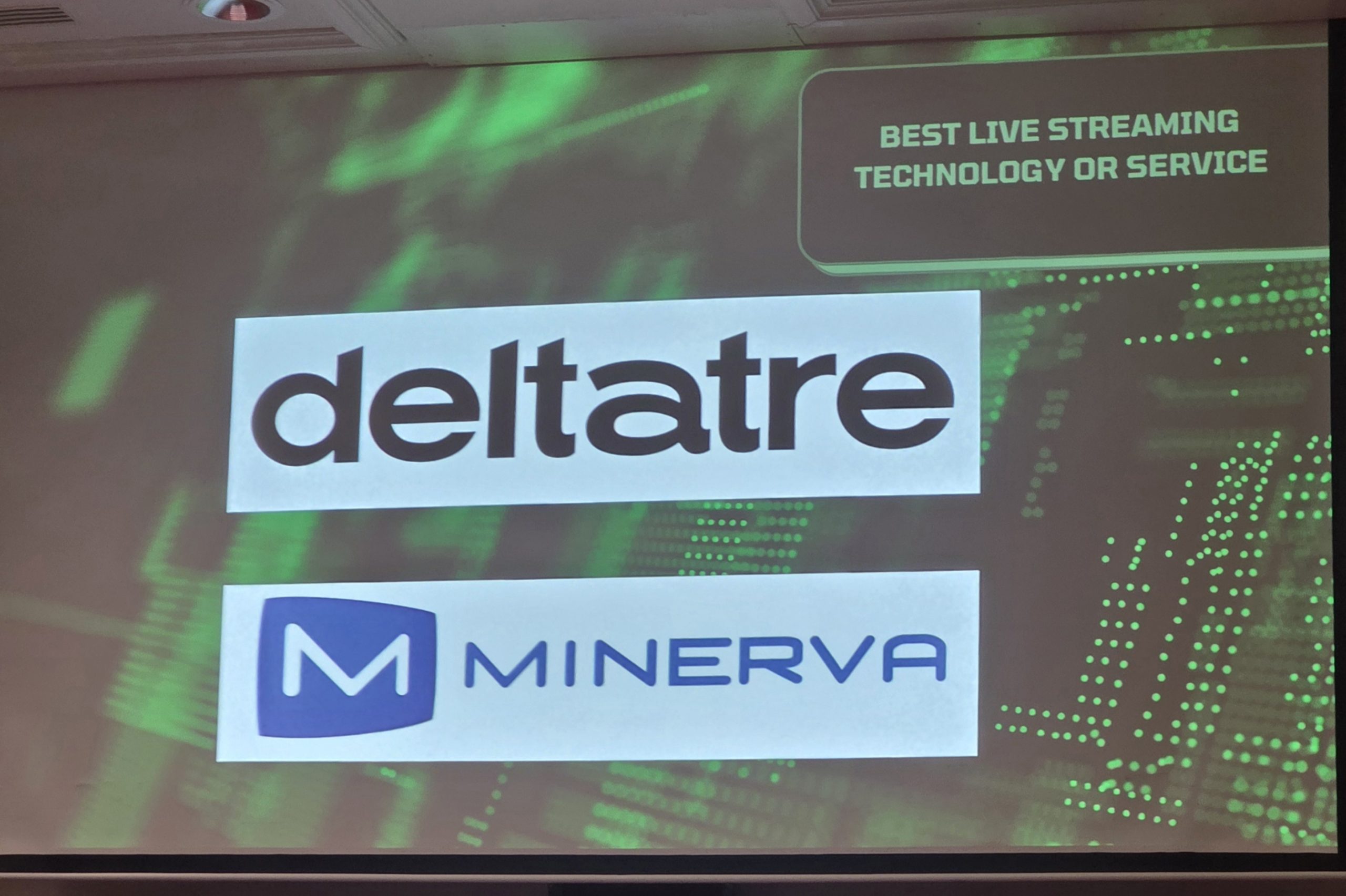
A major operational highlight of IBC 2026 was the formal industry recognition bestowed upon Minerva Networks at the prestigious
CSI Awards ceremony. Minerva was officially shortlisted in Category 7, “
Best Live Streaming Technology or Service,” alongside other tier-1 industry innovators.
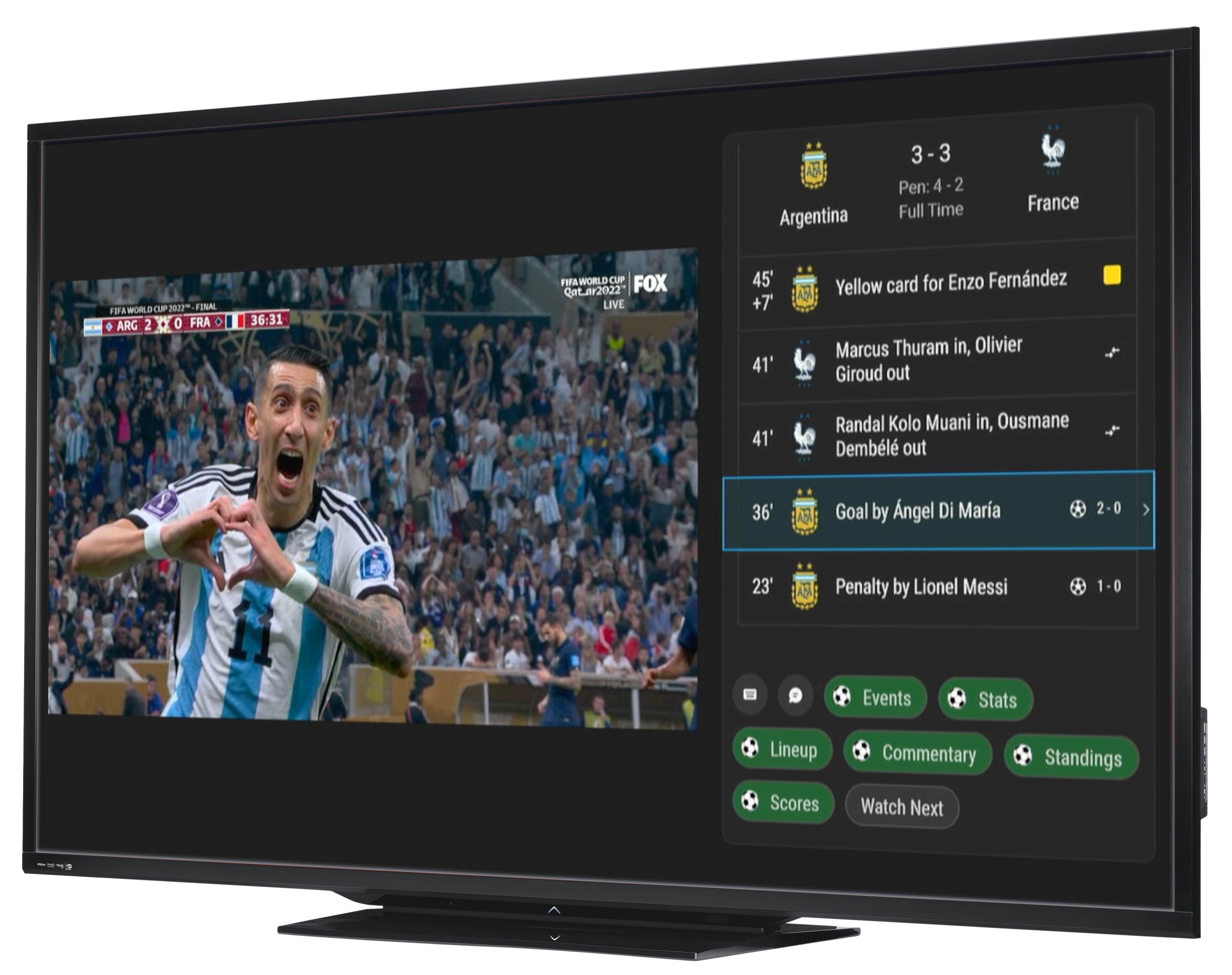
The nomination validated Minerva’s architectural innovation in live streaming, specifically the deployment of the Minerva Platform featuring the Minnie AI Companion. Unlike legacy middleware that treats live streams as passive, static linear feeds, Minerva’s platform introduces real-time semantic intelligence directly into the media playback pipeline.
Architectural Breakdown: Live Sports Engineering and Instant Catch Up
The engineering foundation that earned this CSI Awards distinction addresses one of the most persistent operational hurdles in live sports delivery: the late-joining viewer problem.
Historically, if a subscriber tuned into an international soccer match or an NFL broadcast thirty minutes after kickoff, they faced an unsatisfactory compromise. They were forced to either enter the game blind without critical narrative context or manually search for static third-party highlight clips on external social networks.
Minerva solved this systemic issue through an automated, real-time edge processing workflow:
-
Real-Time Stream Analysis: The underlying engine continuously monitors live video and audio tracks, automated closed captions, and digital scoring telemetry to detect key moments such as goals, red cards, touchdowns, and pivotal turnovers as they occur.
-
Autonomous Segment Generation: The system isolates key play markers and creates synchronized clip playlists without requiring manual intervention from broadcast editorial staff.
-
Instant Catch Up Execution: When a subscriber tunes in late, the user interface presents an optional, concise recap reel. The viewer consumes a dynamic, customized package of key events that occurred prior to their arrival and is subsequently transitioned into the low-latency live broadcast feed with zero friction.
By turning linear broadcasts into interactive, on-demand assets, operators deploying this architecture have documented measurable increases in Daily Active Users and overall session duration during high-value live sporting events.
4. Expanding the Ecosystem: Strategic Partner Collaboration in Amsterdam
Advanced video delivery platforms do not operate in a vacuum. A high-performing pay television service relies on a resilient ecosystem of security protocols, video players, and quality-of-service monitoring systems.
Throughout the show,
Gerry Ornito and the Minerva engineering leadership held strategic alignment sessions with foundational technology partners:
-
Streaming Security and Multi-DRM: Deepening platform integrations with leading conditional access and multi-DRM providers to ensure seamless rights enforcement across diverse client runtime environments without adding player latency.
-
Quality of Experience and Telemetry: Collaborative reviews with service assurance specialists to feed client-side telemetry directly into Minerva’s analytics layer, empowering operators to preemptively diagnose network bottlenecks before they trigger subscriber churn.
-
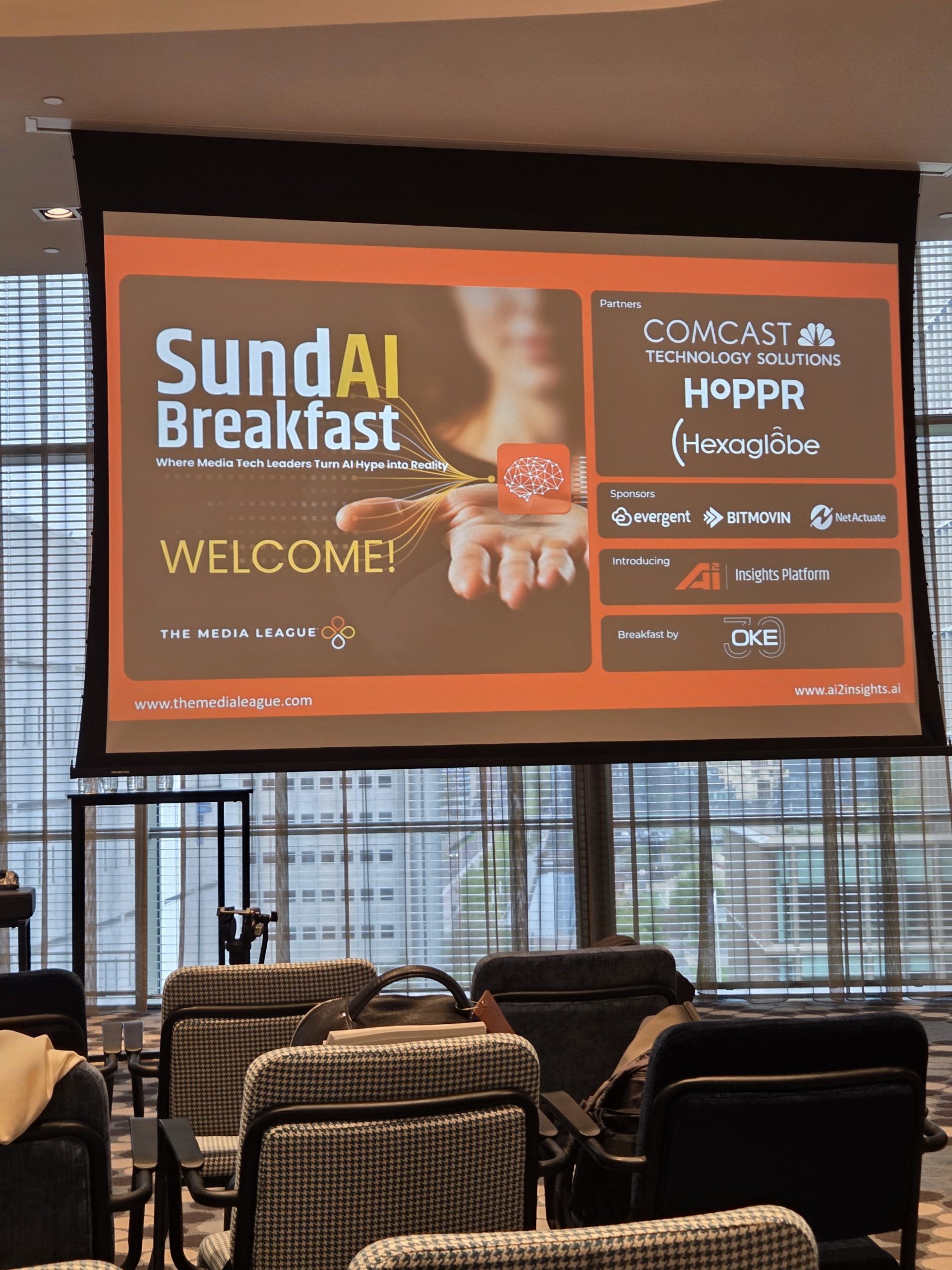
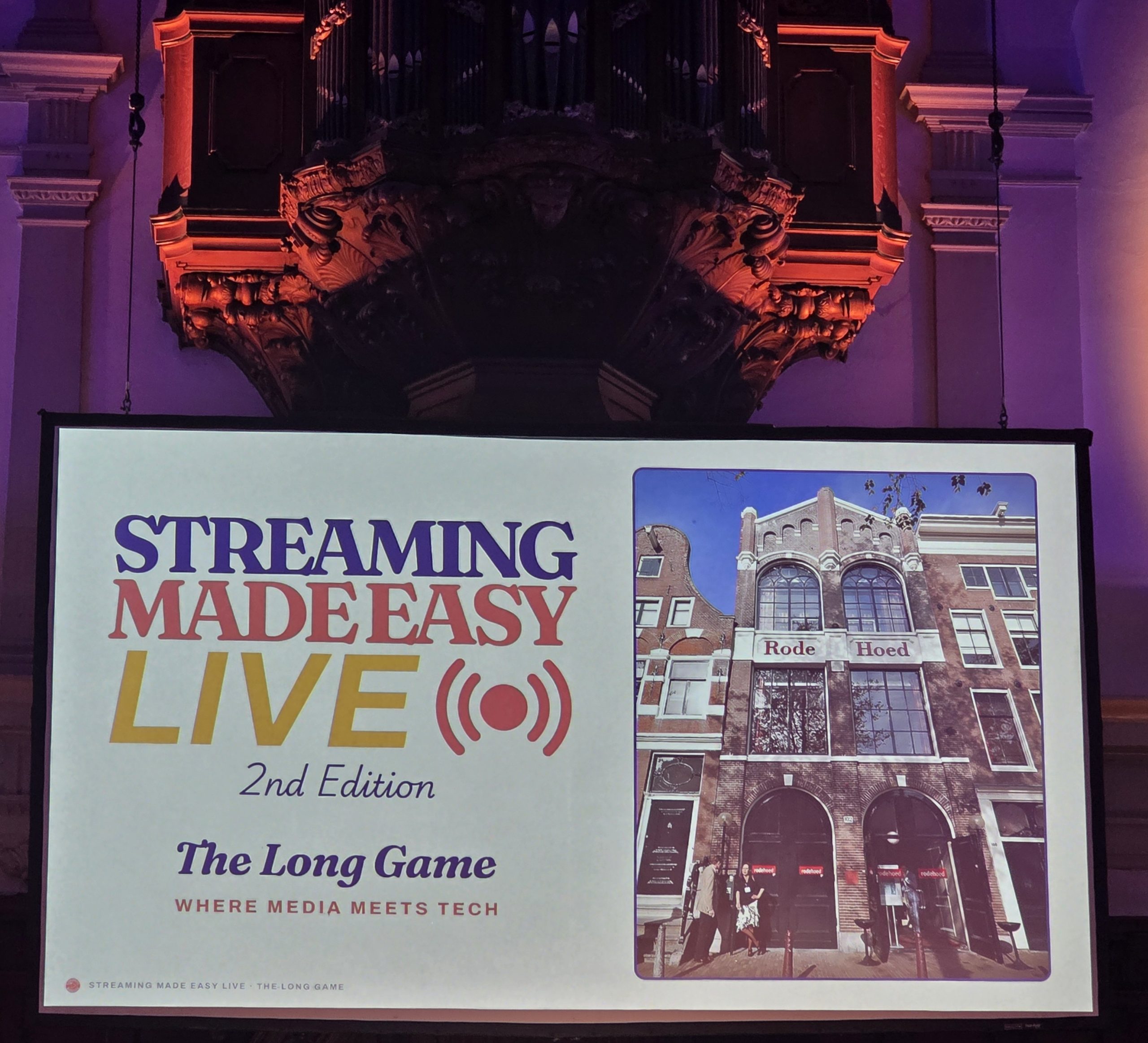
Thought Leadership Forums: Active executive participation across high-profile media forums, including The Media League’s SundAI Breakfast near the RAI Amsterdam venue and the dedicated “Streaming Made Easy LIVE” panel session hosted at the historic Rode Hoed venue in central Amsterdam.
These executive roundtables reinforced Minerva’s long-standing position across the global television industry: an established software vendor with more than two decades of broadcast engineering heritage, combined with an agile, cloud-native product vision.
5. Client and Operator Feedback: What the Market Demands
On the exhibition floor, discussions with tier-1 operators and growing regional service providers surfaced consistent feedback regarding next-generation platform requirements. Decision-makers repeatedly highlighted three specific Minerva capabilities:
Core Platform Capabilities
-
Minnie AI Search: A natural-language conversational engine that replaces rigid keyword filters with contextual semantic understanding. Subscribers discover content by articulating intent, mood, thematic concepts, or partial plot lines rather than exact metadata titles.
-
AI News Summary: Automated extraction and synthesis of daily news broadcasts, enabling viewers to digest key regional and global headlines via dynamically structured, chapterized video segments.
-
Intelligent Super Aggregation: A centralized metadata normalization layer that pools Live TV, Network DVR, Subscription VOD, Transactional VOD, and Free Ad-Supported Streaming TV channels into a single, cohesive marketplace.
Operators recognized that these capabilities do not merely improve user satisfaction scores; they provide immediate answers to margin erosion. By keeping the subscriber within the operator’s curated navigation layer, service providers successfully steer traffic toward high-margin FAST inventory and targeted video rentals, transforming content discovery into a predictable ad-supported revenue channel.
During a technical briefing at the RAI,
Gerry Ornito encapsulated the core market sentiment:
“The interest from tier-1 and regional operators this year was resounding. Clients aren’t just looking for a platform; they want intelligent platforms that integrate personalized recommendations and AI-driven workflows directly into the user interface to drive engagement and ARPU.”
— Gerry Ornito, Worldwide Director of Sales Engineering, Minerva Networks, IBC 2026 Event Report, Amsterdam, September 2026
This observation captures the broader consensus of IBC 2026. The era of passive program guides has concluded. Operators that continue to deploy static grids will inevitably be relegated to dumb pipes, while operators that implement intelligent, proactive orchestration will build lasting subscriber equity.
6. Technical Foundations: Inside Minerva 11 and the Minnie AI Companion
The technological platform driving these discussions in Amsterdam is Minerva 11, the company’s flagship cloud-native service delivery software suite. Built to handle the scale of tier-1 global deployments, Minerva’s architecture serves more than 50 million broadband subscribers across 250 operator networks in 21 countries.
Cloud-Native Microservices Architecture
Minerva 11 is engineered from the ground up for dynamic elasticity. The platform supports containerized, multi-tenant, hosted, and dedicated on-premises hybrid deployments. With a microservices core designed to dynamically scale to support over 100 million connected endpoints, the system separates control planes, metadata ingestion, business entitlement logic, and client-side presentation layers. Comprehensive REST and GraphQL APIs facilitate straightforward integration into existing operator OSS and BSS billing engines, provisioning systems, and video backends.
Key Architectural Definitions
-
Agentic Metadata Normalization: An automated ingest pipeline that validates, enriches, and categorizes incoming asset descriptions from multiple external streaming catalogs, linear feeds, and ad networks, establishing a unified relational graph of cast, crew, genre, and semantic tags.
-
Conversational Intent Engine: A stateful query processor that interprets natural human phrasing, contextual nuances, and historical profile interactions to deliver tailored recommendations without requiring manual user filtering.
-
Dynamic UI Personalization: A real-time interface rendering engine that restructures rows, banners, and smart shortcuts on consumer devices based on immediate viewer context, available entitlements, and operator monetization priorities.
By consolidating these functions into an integrated platform, Minerva delivers the operational agility operators require to stay competitive against global streaming giants while maintaining total control over subscriber analytics and ad revenues.
7. The Path Forward for Modern Television Operators
IBC 2026 established a new industry baseline. Television platforms can no longer remain simple passive repositories for third-party media streams. To defend against churn and build profitable video offerings, operators must implement intelligent orchestration systems that anticipate subscriber intent, automate operational workflows, and simplify discovery across every screen.
Minerva Networks continues to lead this industry evolution, pairing twenty years of mission-critical broadcast reliability with the industry’s most advanced agentic AI companion. The success of the discussions at IBC 2026 proved that when cutting-edge technology directly serves practical business outcomes, the future of television becomes both engaging for the subscriber and highly profitable for the operator.
To explore how the Minerva 11 platform, the Minnie AI Companion, and our intelligent super-aggregation solutions can transform your television architecture,
connect with our engineering team or schedule a dedicated platform demonstration.